


Európa sa snaží presadiť nové pravidlá slobody prejavu - William Echikson / August 28, 2024 / CEPA
Európa sa snaží presadiť nové pravidlá slobody prejavu - William Echikson / August 28, 2024 / CEPA


Without these legal safe harbors, many of the internet’s success stories would never have gotten off the ground. Imagine if YouTube was held responsible for every upload, Blogger for every blogspot, and TripAdvisor for each restaurant or hotel review. User-generated content would have been too dangerous to publish.
Today, governments, courts, and public opinion demand that internet firms police and prevent illegal material from being posted on their platforms. Copyright owners believe the net feeds piracy. Police and intelligence services think it feeds extremist terrorism and want access to data from suspects. Politicians fear false news could tarnish elections and even force them from power.
While the European Union passed the DSA, the US has hesitated. The First Amendment allows much more free speech than Europe, which criminalizes certain subjects such as Holocaust denial. The Supreme Court, so radical in its approach to many issues, has avoided imposing clear new rules. Congress still seems to be blocked in approving primary federal tech legislation, even though bipartisan momentum is behind a new child safety act.
It is difficult to find agreement on how to reform the e-Commerce Directive or Section 230. If the crackdown is too severe, free expression suffers. Europe’s DSA attempts to strike a balance by preserving the ban on proactive general monitoring in the e-Commerce Directive. But it requires platforms to undertake a series of measures to control what people can post, what they sell, and what advertisements they see—all to protect others online. Firms that fail to comply face fines of up to 6% of their worldwide revenue.
Even armed with this potent weapon, regulators face significant enforcement challenges. The Brussels-based team in charge of DSA implementation counts only about a dozen members. Much of its time is spent ensuring that new EU legislation in areas such as product safety is separate from it.
National EU governments, supposed to support the EU team, have delayed appointing their DSA officials. Many of those appointed await guidance from Brussels. The regulators are conducting new consultations on how to use the law to reinforce child safety and how to appoint “trusted flaggers” to identify illegal content.
Enforcement has focused on a few high-profile cases. Brussels regulators forced TikTok to close a program rewarding users for spending time on the platform. It opened a probe into Meta’s decision to close its CrowdTangle transparency tool.
The most significant conflict comes with Elon Musk’s X, which, unlike Telegram, has more than 45 million EU users and is a Very Large Online Platform. European regulators have issued a preliminary finding that X’s content moderation policies breach the DSA. Before Musk’s recent interview with Republican candidate Donald Trump, European Commissioner Thierry Breton warned, ironically in an X tweet, against violating the DSA over free speech.
Musk responded with an expletive, decrying what he called censorship. Previously, he derided the DSA as “misinformation.” X could face billions in fines — and highlight US and EU divergences over how to regulate Internet freedom.
Instead of fighting about regulation, the best path forward might be to encourage bottom-up rather than top-down approaches to police content. Wikipedia and Reddit are positive models. Both sites have made the arduous journey away from permitting hate speech to winning trusted news sources. They self-police.
European officials administering the DSA don’t expect platforms to prevent all hate speech. They just want to see strong programs to limit the dangers. While the US may not legislate such requirements, such programs reassure their users and are suitable for business. Who wants to advertise on a toxic cesspool?
Bill Echikson is a non-resident Senior Fellow for CEPA’s Digital Innovation Initiative and editor of Bandwidth.
Bandwidth is CEPA’s online journal dedicated to advancing transatlantic cooperation on tech policy. All opinions expressed on Bandwidth are those of the author alone and may not represent those of the institutions they represent or the Center for European Policy Analysis. CEPA maintains a strict intellectual independence policy across all its projects and publications.





 21. marca 2026 o 22:00
Srí Lanka odmietla americkým stíhačkám pozemný prístup, vyhlásil prezident
 21. marca 2026 o 21:00
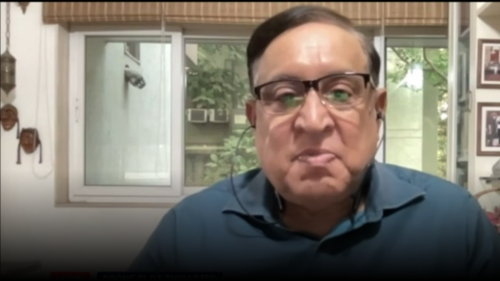
Bývalý generál: Aktivita ukrajinských žoldnierov v Indii je „veľmi znepokojujúca“
 21. marca 2026 o 20:00
Spolupredseda AfD vyzýva na ukončenie financovania „skorumpovanej“ Ukrajiny
 21. marca 2026 o 19:00
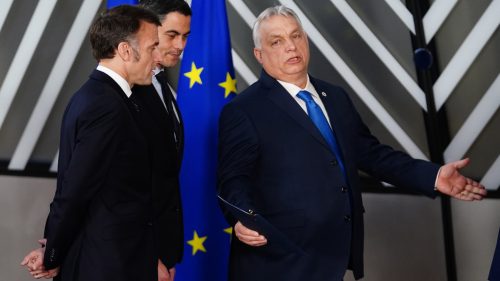
Maďarsko vetuje pôžičku EÚ pre Ukrajinu, zatiaľ čo patová situácia medzi Orbánom a Zelenským pokračuje
 21. marca 2026 o 18:00
Netanjahu popiera, že Trumpa v otázke Iránu „zavádzal“
 21. marca 2026 o 17:00
Americká fitness aplikácia odhalila polohu francúzskej lietadlovej lode
 21. marca 2026 o 16:00
Izrael odmieta otvoriť mešitu al-Aksá na koniec Ramadánu
 21. marca 2026 o 15:00
Ukrajina by mohla prinútiť 2 milióny ľudí, ktorí sa vyhýbajú odvodom, výjsť „z tieňa“, tvrdí poslanec
 21. marca 2026 o 14:00
Cez Hormuzský prieliv sa otvára „bezpečný“ koridor: Čo zatiaľ vieme
 21. marca 2026 o 13:00
Najvyšší poľský súd nariadil uznanie dokumentov o manželstve osôb rovnakého pohlavia v EÚ
 21. marca 2026 o 12:00
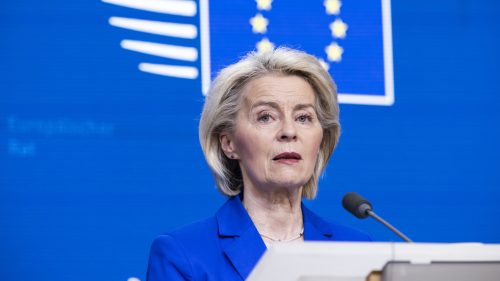
EÚ bude presadzovať úver Ukrajine „tak či onak“, tvrdí von der Leyenová.
 21. marca 2026 o 11:00
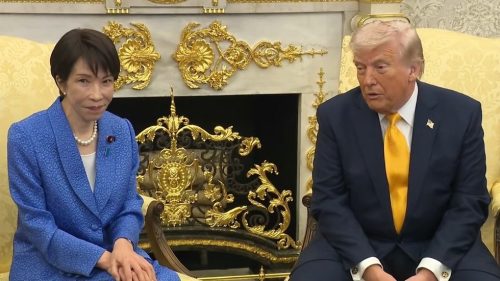
Trump prekvapil japonskú premiérku prekvapivou poznámkou o Pearl Harbore


